The mandate is yours, and so is the decision. One orchestration does the work in between.
Five stages, each with its owner: your sponsor frames the venture, the orchestration builds and operates it, an AI CEO plans the work, your committee decides every month, then the venture is stopped or handed over.
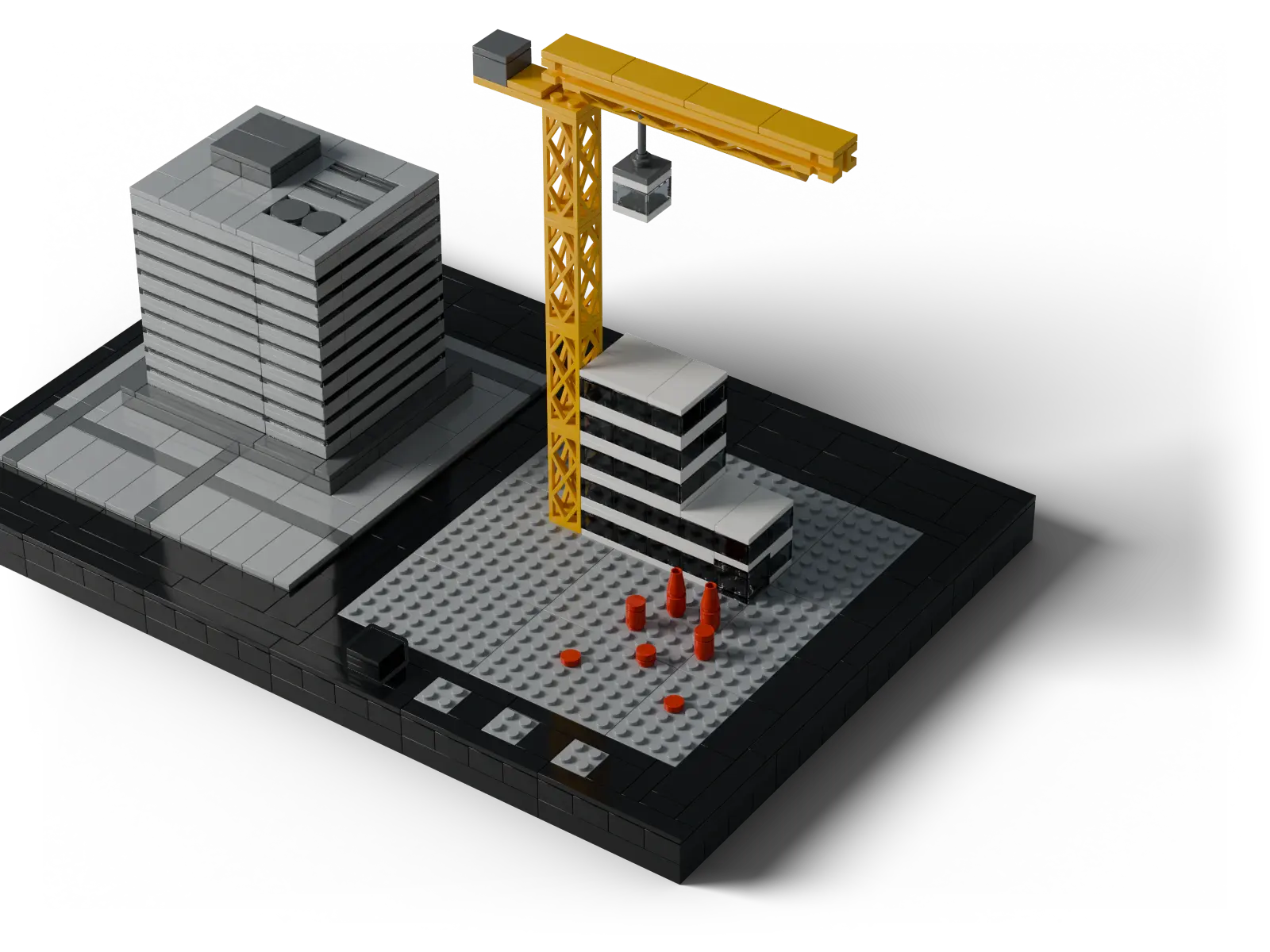
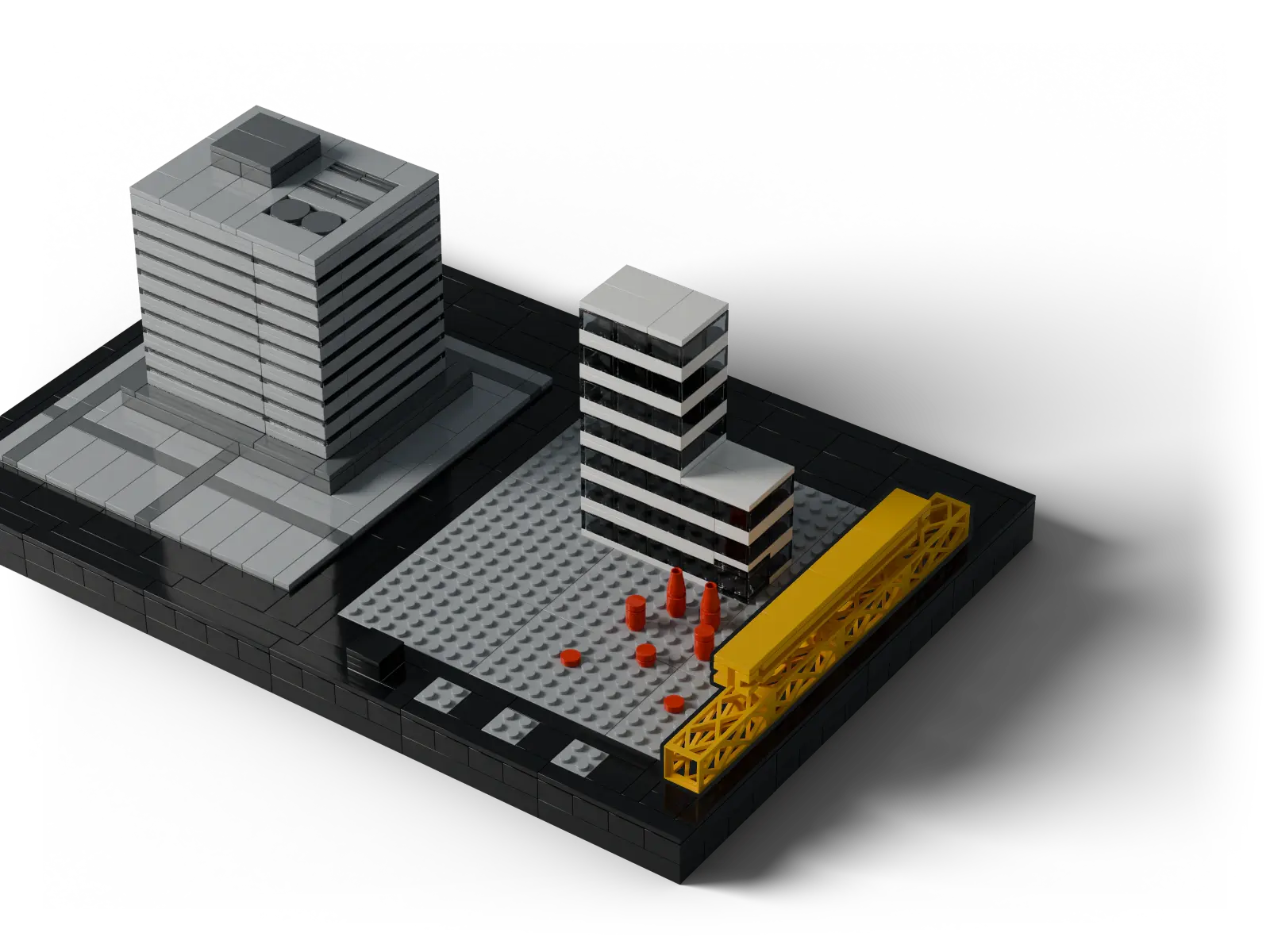
Figure 1. From the mandate to the decision, each stage adds or changes one piece of the model.
-
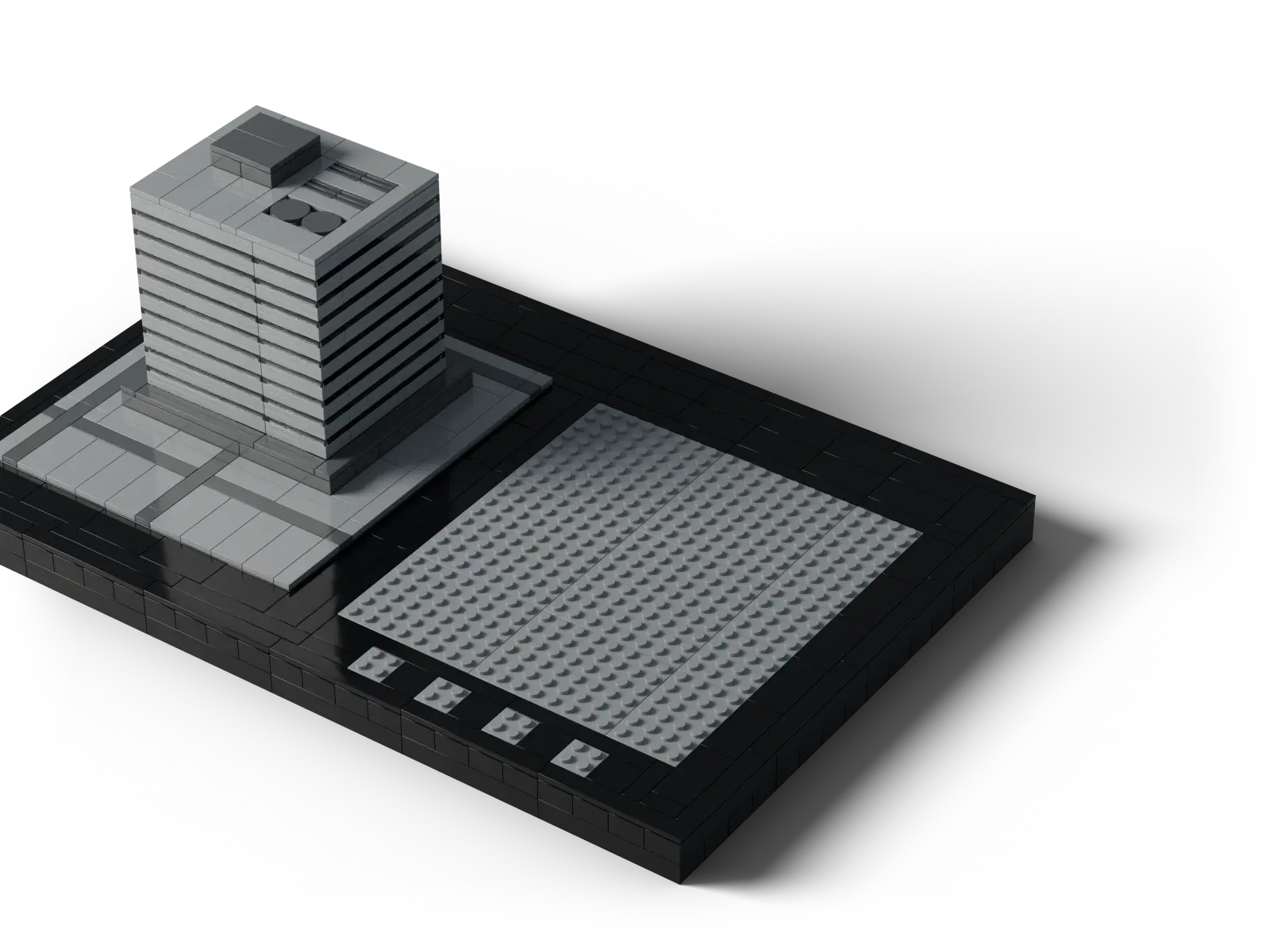
1. Framing, with your sponsor
Before anything is built, a working session writes the mandate: hypothesis, market, brand, budget cap, stop criteria and their date, and the market access you bring.
- Your side
- Your sponsor sets the mandate.
- Blaast
- The founding team frames it with you and writes it into the contract.
- What comes out
- A signed mandate: the plate the venture is built on.
-
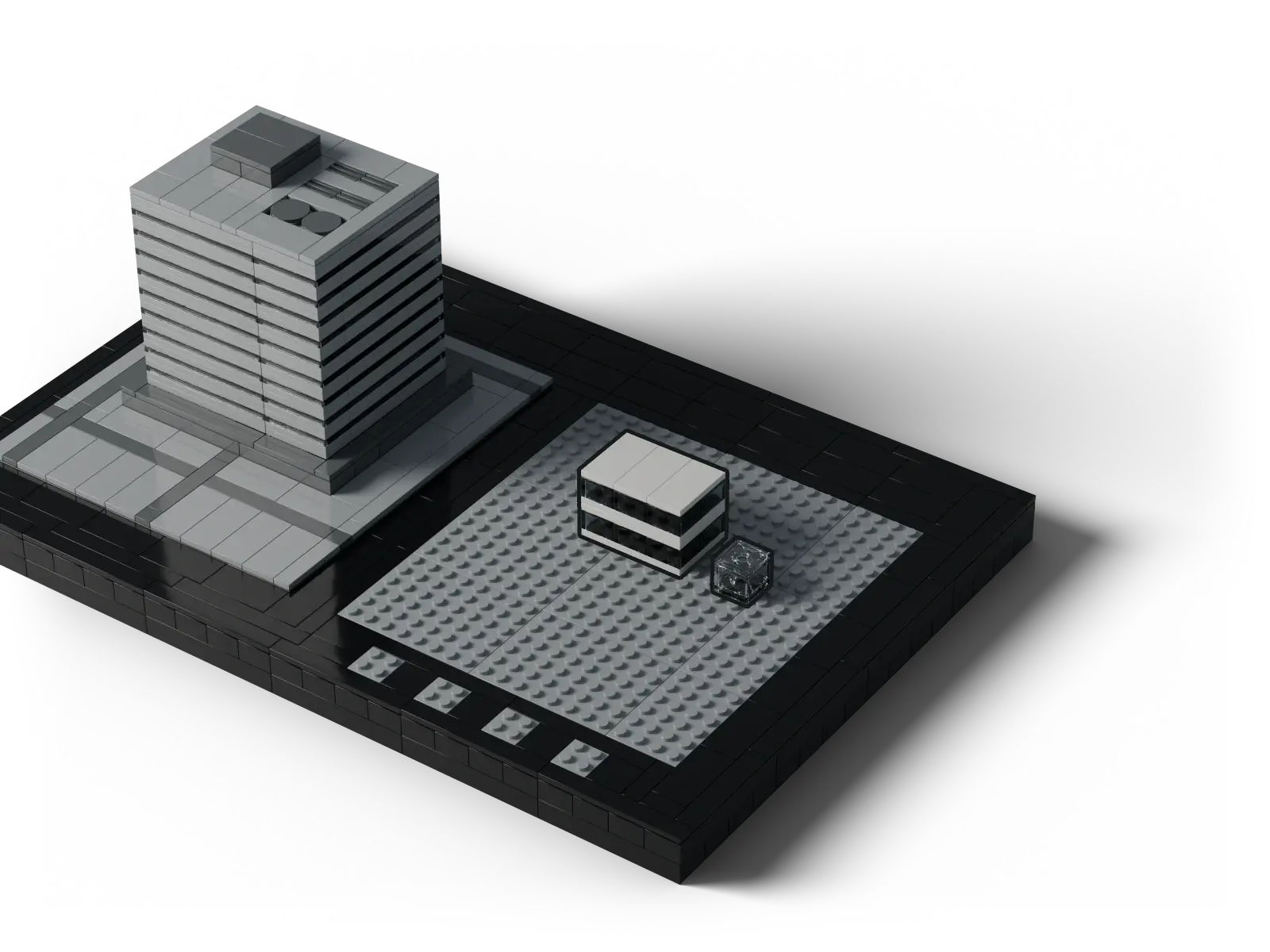
2. Build
The orchestration builds the business: offer, brand, website, multilingual content, payments, launch, measurement. Domain, payment and advertising accounts are opened in your name.
- Your side
- You validate the offer and the brand before go-live.
- Blaast
- The orchestration builds. A person at Blaast is accountable for the venture.
- What comes out
- A business ready to go live, under your brand or a neutral brand.
-
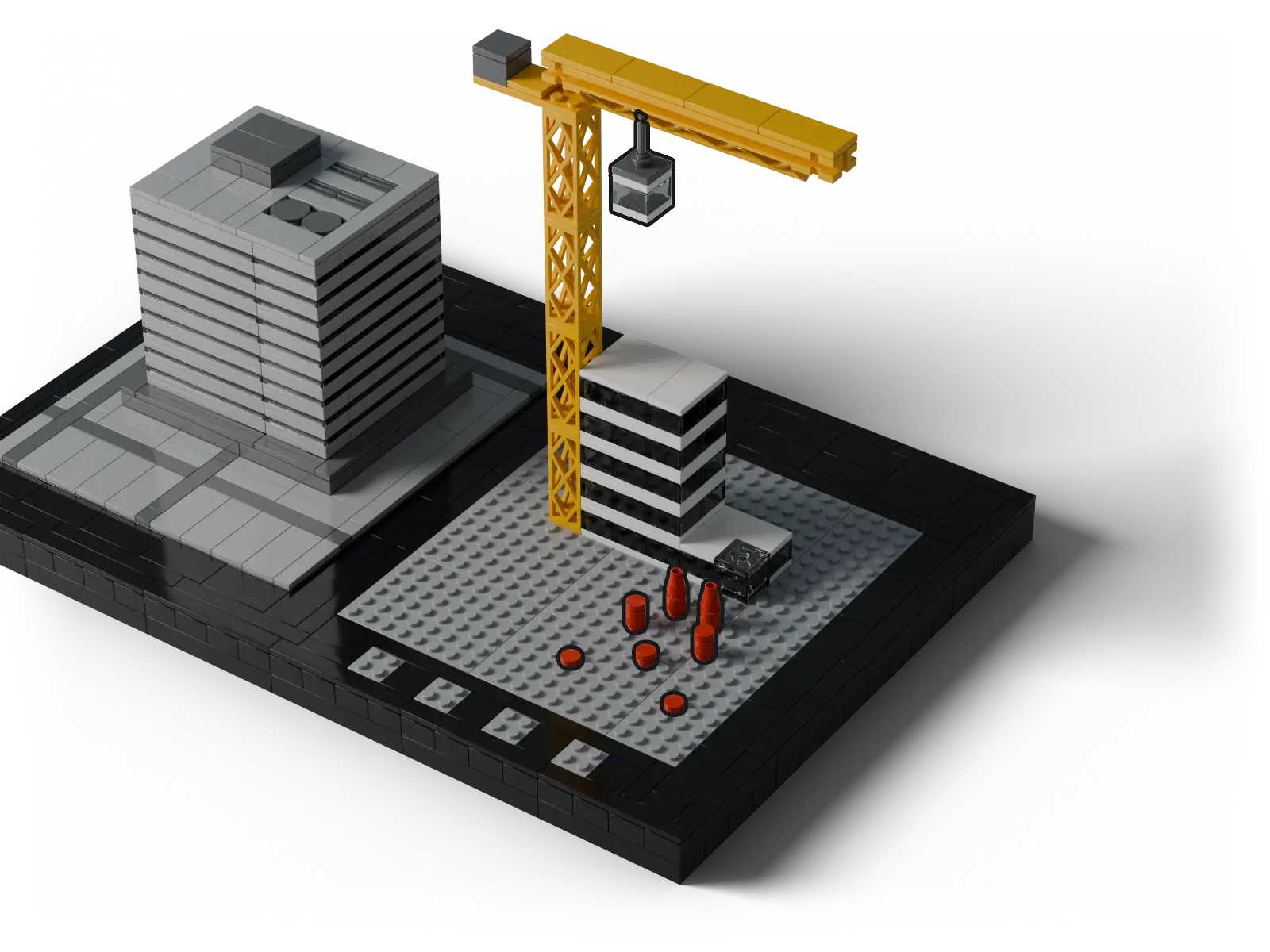
3. Operation
The venture runs continuously. The AI CEO plans and re-plans as results come in, and demand signals are measured by level of proof.
- Your side
- You bring the market access agreed at framing, and the campaign budget you approve.
- Blaast
- The orchestration operates; the AI CEO plans and prioritises.
- What comes out
- Demand signals, strongest first: payment, pre-order, qualified request, sign-up.
-

- Continue
- Adjust
- Stop
- Accelerate
4. Monthly review
One hour a month, venture by venture: the criteria of the mandate, the month’s signals, spend against the cap, and the AI CEO’s plan.
- Your side
- Your committee takes one of four decisions: continue, adjust, stop or accelerate.
- Blaast
- The person accountable for the venture prepares the review and presents it.
- What comes out
- A decision, recorded in writing.
-
5. Verdict and handover
When the date set in the mandate comes, or earlier if your committee decides: a stop report, a full handover to your teams, or continued operation under your control.
- Your side
- You choose the outcome.
- Blaast
- We write the stop report or the handover kit.
- What comes out
- At exit, the AI CEO comes off. Everything else stays in your name.
Each figure shows the model at the end of the stage; the outlined pieces are the ones the stage adds or changes. Illustrative example.
The orchestration runs the venture continuously, across every function.
It does not answer requests one at a time. It builds the business, then keeps operating it.
Continuous, not request by request
Work flows from a shared task board and is dispatched automatically. The AI CEO re-plans when results come in.
The functions of a young company
Strategy, finance, product, front-end and back-end engineering, infrastructure and deployment, security, marketing, search, content, translation, sales, analytics, and quality assurance on prospect and customer journeys.
Closed on measured results
A task tied to a business objective cannot be closed without a measured result attached. Otherwise the progress is kept as a note and the task stays open; only a person can cancel it.
Memory from one cycle to the next
A structured business context per venture, the task board, the full history of changes and resumable sessions. Stale working notes are pruned; core directives never are.
The AI CEO plans and prioritises. Building, deploying, sending and paying are outside its mandate.
Each venture has an AI CEO. It reads results as they come in, assigns and orders the work, and re-plans. Only the AI CEO can call on a function out of turn.
In each of its reports, cost and activity figures are computed from the operating database, not written by the model. The narrative and the proposed priorities are the model’s; the figures are not.

It does
- Plan and prioritise the work
- Re-plan when results come in
- Call on a function out of turn
Excluded from its mandate
- Writing code
- Deploying
- Sending email
- Touching payments
Some limits do not depend on what the model decides. The code enforces them.
On every venture, whatever the orchestration plans:
- Cost and time
- Every work cycle runs under a cost ceiling and a time limit. A cycle that exceeds either is stopped and its partial work recorded.
- Activity
- Daily activity limits per function, and a global limit on how many work cycles run at once.
- Gateway
- Deployments, DNS changes, outgoing email, payment-catalogue changes and secret reads go through one gateway scoped to the venture. Each call is written to an audit log.
- Separation
- Each venture has its own access token, secrets, deployment space and domain set by a human operator, browser profile and encrypted credential vault.
- Journal
- The operating journal is append-only: the database rejects any modification or deletion of a recorded event.
- Steer and pause
- A written directive triggers immediate re-planning. A pause stops all activity and closes the venture’s gateway access.
What you bring, and what we don’t do.
You bring
- A sponsor with authority to decide, and a committee that meets once a month.
- Market access: your products or service capacity, your channels, and a campaign budget you approve.
- Validation of the offer and the brand before go-live, and of any claim your legal or regulatory teams must check.
What we don’t do
- We don’t bring the market to you: the audience comes from your market access.
- We don’t connect to your information systems: orders and requests reach your teams through a channel agreed at framing.
- We don’t take on high-risk uses as European regulation defines them: no hiring, credit or health ventures.
- We don’t hold the licence of a regulated activity: it stays with you or your partner.
Key terms
- AI CEO
- The AI CEO plans and prioritises the work of a venture: it reads results as they come in, assigns and orders the work, and re-plans. Writing code, deploying, sending email and touching payments are excluded from its written mandate.
- Orchestration
- The orchestration builds the venture, then keeps operating it, across the functions of a young company: strategy, finance, product, engineering, infrastructure, security, marketing, search, content, translation, sales, analytics and quality assurance.
- Mandate
- The mandate is written before anything is built: hypothesis, market, brand, budget cap, stop criteria and their date, and the market access the client brings. It is written into the contract.
- Monthly review
- The Monthly review is a service commitment written into the contract, not a report produced by software. For each venture, the Blaast team presents the month and the AI CEO’s plan, and your committee takes one of four decisions.
- Stop criteria
- Stop criteria and a date, written before launch: when the date comes, the committee chooses a stop report, a handover or continued operation.
In 30 minutes, see how an operated business is built and run.
By video, with the founding team. We look together at where a first venture could sit beside your core. Under NDA if you wish.